Practical experience – hands-on studies – shape the future!
Theoretical knowledge is good and important—but you also need to be able to apply your knowledge in your career. The focus of a university degree course is on teaching theoretical content and scientific methodological skills. However, the Agricultural Sciences degree program cannot do without a strong practical focus. That’s why we aim to optimally combine theory and practice.
Gaining practical experience
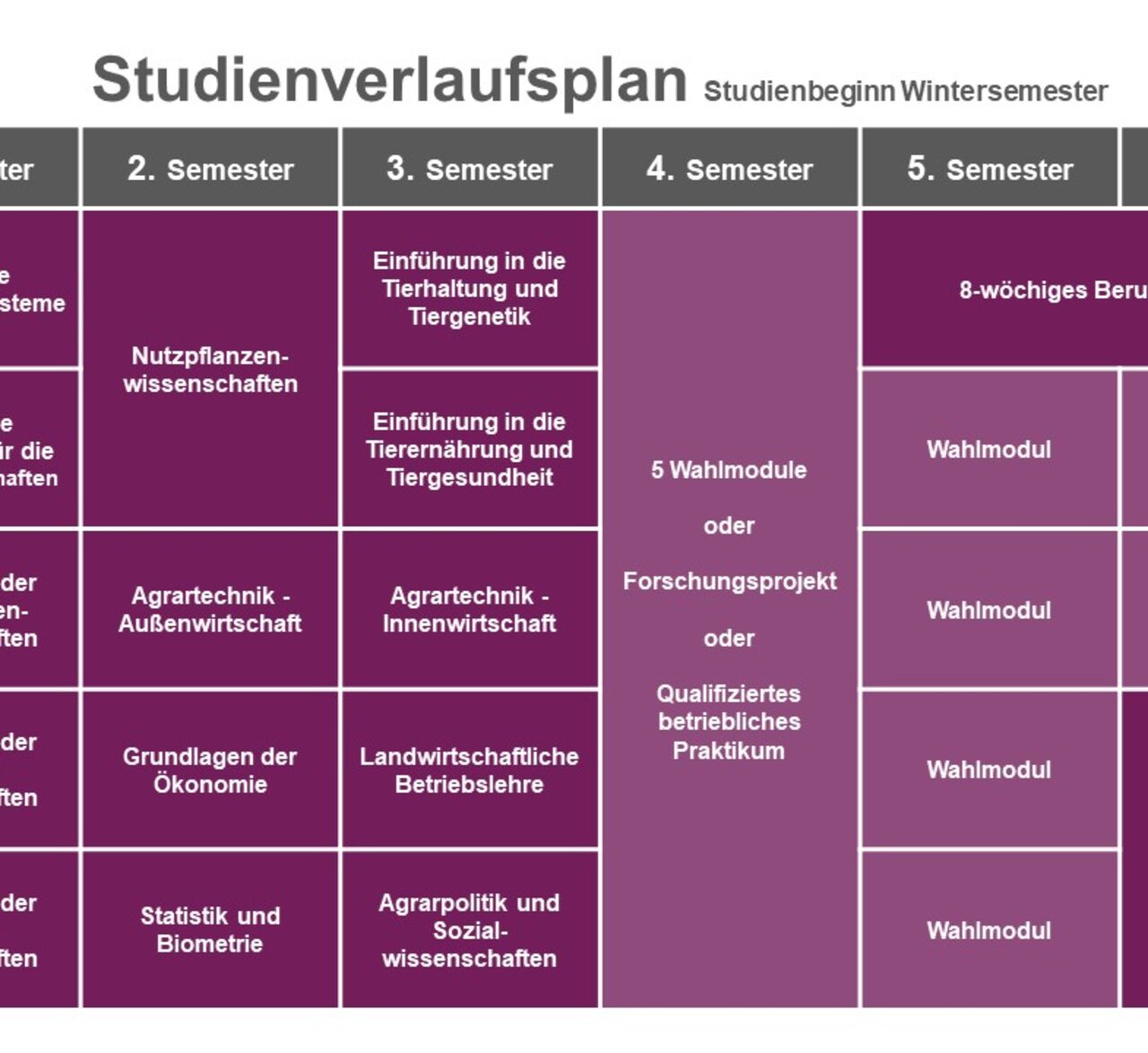
Internships offer insights into companies and professional fields and give you orientation and work experience for your later career start. An 8-week mandatory internship is integrated into this degree program. Alternatively, you can even choose a practice-oriented specialization integrated into your studies and dedicate six months to practical preparation for a job. In addition, you can include a research stay in Germany or abroad or up to two internship semesters in your studies. This time investment is worthwhile: The more practical experience you gain, the easier it will be for you to enter the professional world later on. Of course we will support you with the administrative aspects, internship search, and application process.
Acquiring new skills
If you want to be successful in your career, you have to be able to apply your expertise. We offer you the opportunity to acquire additional qualifications beyond the practical part of the degree program: trainer aptitude test, laboratory management certificate, plant protection certificate of competence, TÜV quality management certificate. But that's not all: The university-wide continuing education program offers you a wide range of opportunities to expand your personal, social, and methodological skills.
Practical elements for students
Continuing education program F.I.T.
Learning from practice
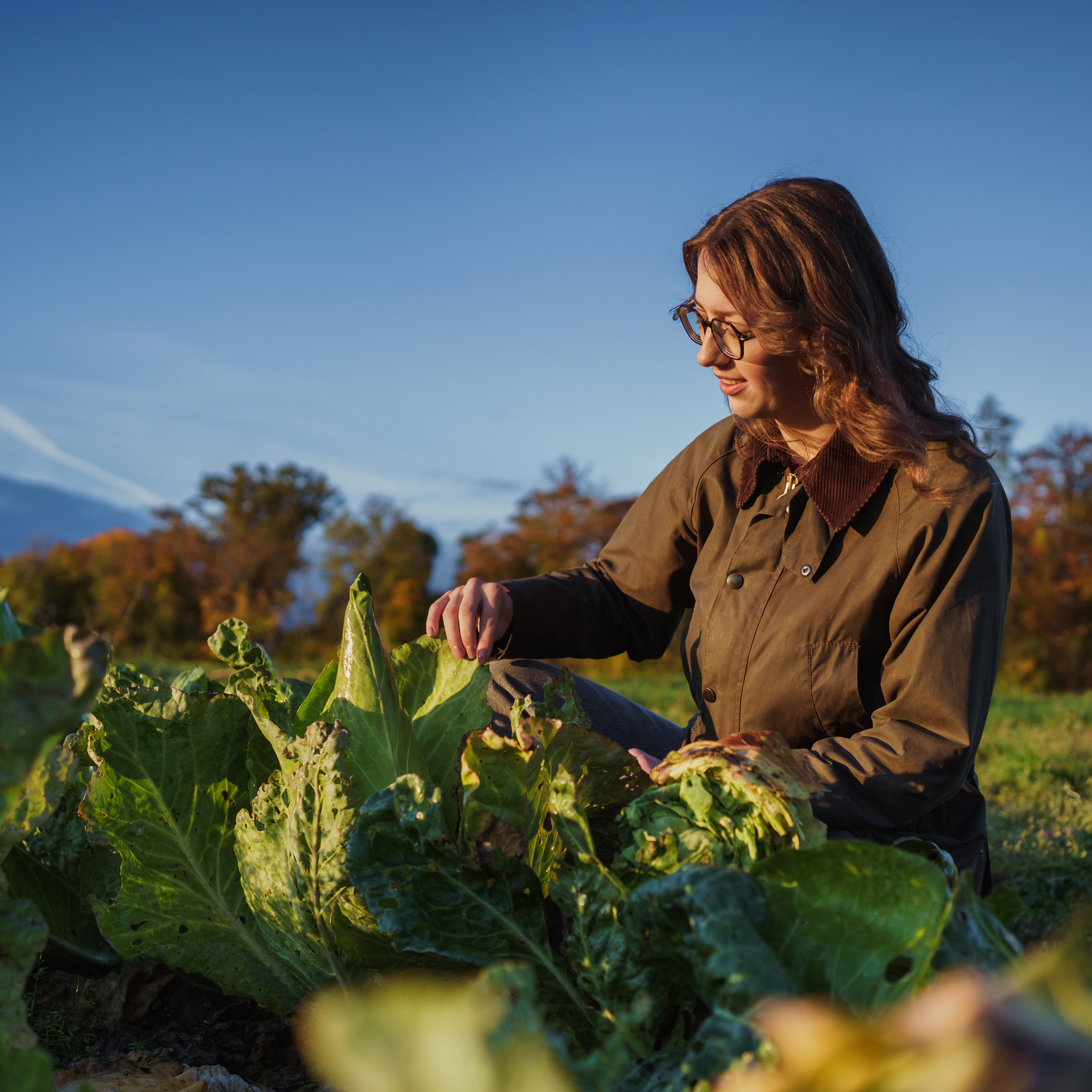
We maintain close contacts with the industrial sector, farms as well as research institutes and regularly have lecturers and guest speakers at the university. You will gain practical insights into the real world. This is ensured by the agricultural sciences teaching garden, field tours at the Agricultural Experiment Station sites, day internships in the stables, and excursions, for example to agricultural businesses.
Learning languages, understanding cultures
Explore the world and study or research abroad for a semester! An experience like this is an opportunity to develop personally and professionally and broaden your horizons. A semester abroad is a great opportunity to improve your language and intercultural skills and to think outside the box. Agricultural sciences are no longer a national discipline, but are increasingly concerned with global and cross-border challenges. All the more reason why experts with foresight are in demand, not least in internationally operating companies in the agricultural sector. We have over 80 partner universities in Europe and all over the world.
Stays abroad
Gaining experience with start-ups
The “Innovation Greenhouse” is all about sustainable business creation, from idea development and evaluation to the founding and subsequent growth of the company. Here you have the opportunity to staff an exciting start-up or receive support for your own ideas or the company you have founded yourself.
Innovation Greenhouse
Researching during your studies
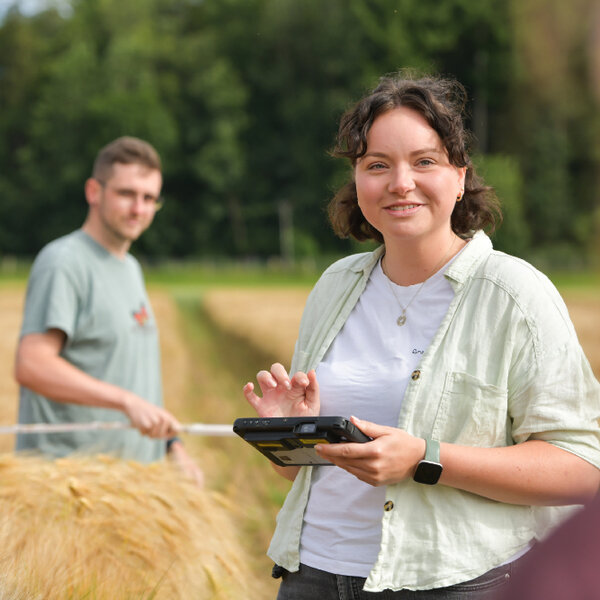
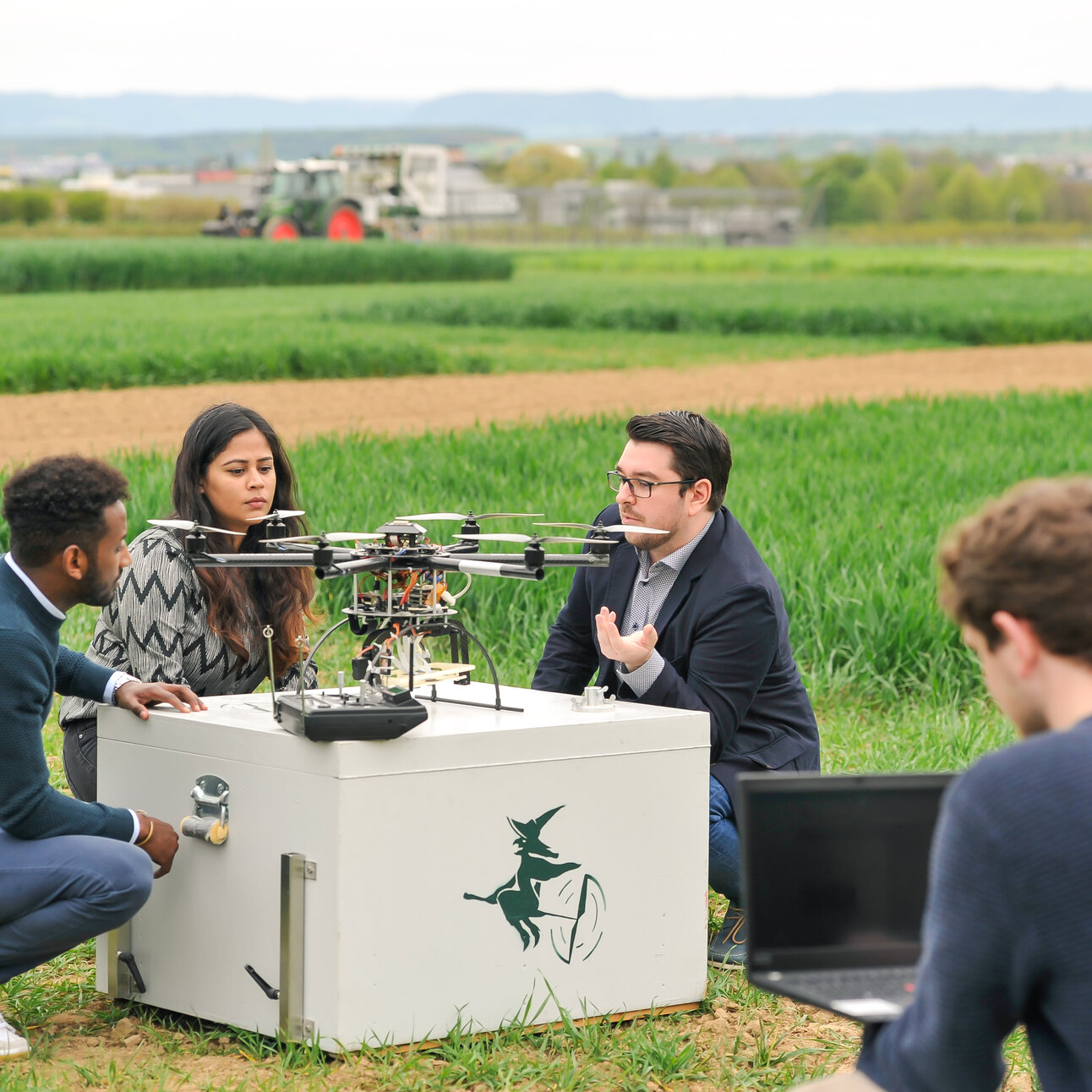
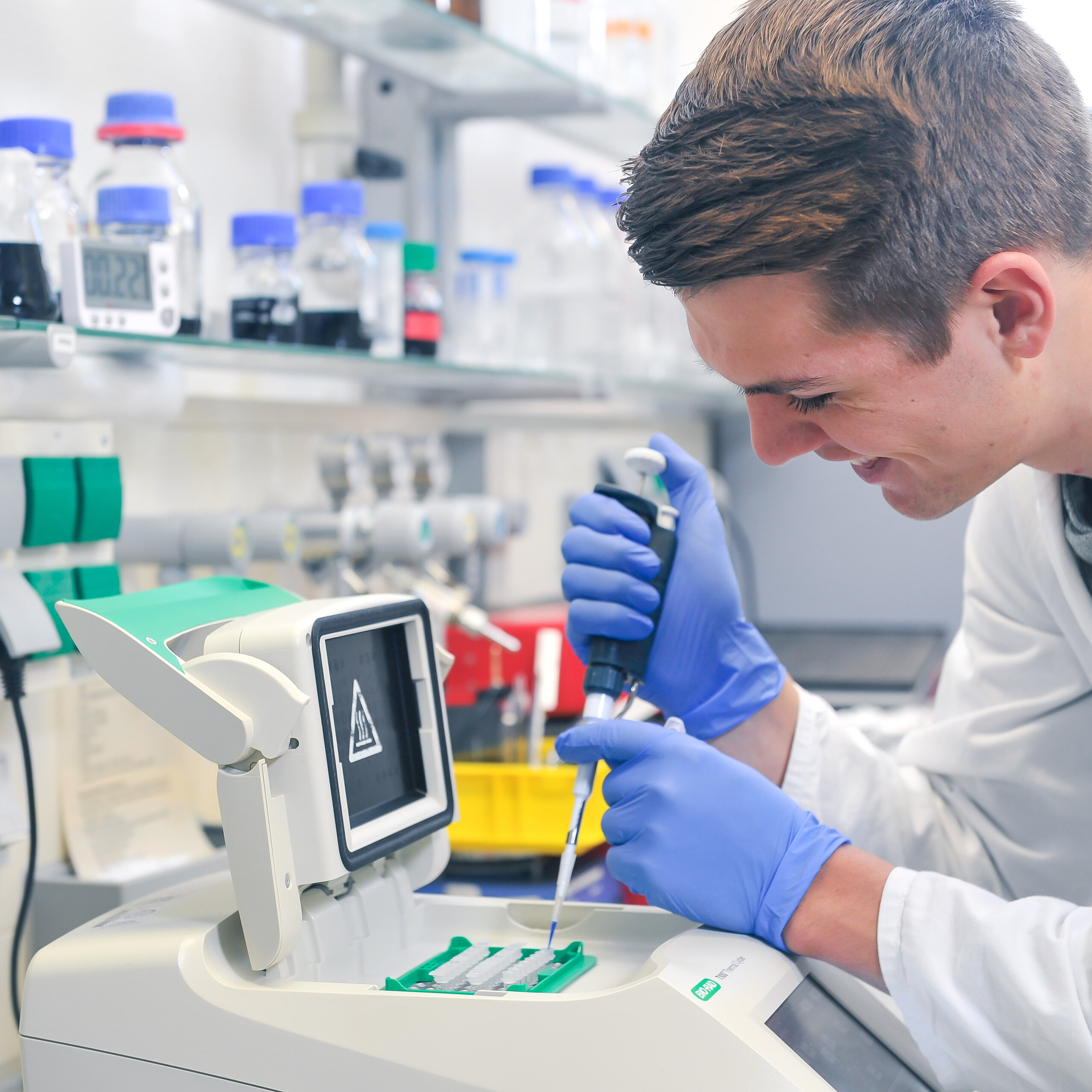
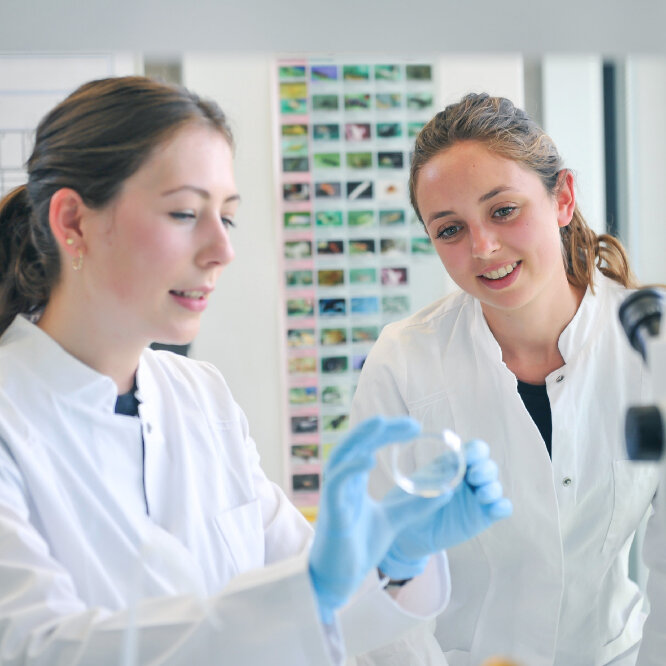
If you are particularly interested in combining science and practice, research projects are perfect for applying the methods and skills you have learned in practice. The specialization in research is recommended, as it allows you to test your own ideas and find solutions to very specific problems by working as an assistant on a research project. The conditions here are ideal: With 700 hectares of land, we have the largest experimental property among Germany’s universities. There are also several farms at the University of Hohenheim with outdoor crops and livestock where you can gain practical knowledge and carry out your own experiments and exercises.
Our Agricultural Experiment Stations
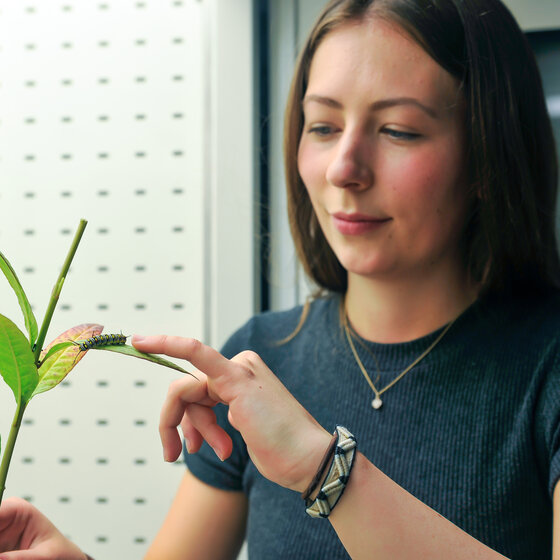
In the project “Humboldt reloaded,” you will go through all stages of a real research project, from the preparation of the current state of research and the selection of methods for your own research to data analysis and presentation.
Humboldt reloaded project: What does the oilseed rape beetle like?


![[Übersetzen nach: English] Studienverlauf bei Studienbeginn im Sommersemester (jpg, 141 KB)](/fileadmin/user_upload/dateien_f%C3%BCr_seiten_zum_umziehen/Studieng%C3%A4nge/Herobilder_Dateien_f%C3%BCr_Studieng%C3%A4nge/bsc_aw/Studienverlaufsplan-SoSe_BSc_AW.JPG)